





Work & scale

Work & Scale

What I've shipped, where, and at what scale.

Scale dashboard

$1B+

GMV ecosystem

$50M

PayFac GMV in 6 months

20+

Live integrations

10+

Markets

500K+

Daily transactions

25+

Cross-functional team

15+

Engineers & PMs managed

Surface areas shipped

PayFac Core ($50M GMV)SoftPOS Tap to PayMerchant Order OSKiosks / eMenuCBTL Consumer42RaceRegulated Pharma Logistics

Where I've worked

Worked at

Prodaptix
Delivery Hero
TabSquare.AI
Aigens
42Race
X-ONT Software
Visni
David Pieris Motor Company

Integrated With / Partnered With

Visa
Mastercard
Stripe
Adyen
Checkout.com
NETS
Gojek
Grab
Deliveroo

Selected Work

Three flagship cases. What I owned. What changed.

Each case separates the company outcome from my part in it.

Surface areas shipped

  • PayFac Core ($50M GMV)
  • SoftPOS Tap to Pay
  • Merchant Order OS
  • Kiosks / eMenu
  • CBTL Consumer
  • 42Race
  • Regulated Pharma Logistics

Payments · 0 → 1

Launching a PayFac Platform from 0 → $50M GMV

Delivery Hero · Regional Payments · 2022–2024

Problem

No in-house acquiring capability, fragmented provider relationships, and margin leakage across a high-volume marketplace.

What I owned

PayFac product strategy, corridor sequencing, idempotent ledger flows, reconciliation-as-a-service, self-serve merchant onboarding — through to the in-person checkout edge, including SoftPOS / Tap to Pay on COTS devices.

Business impact (company)

$50M GMV in six months
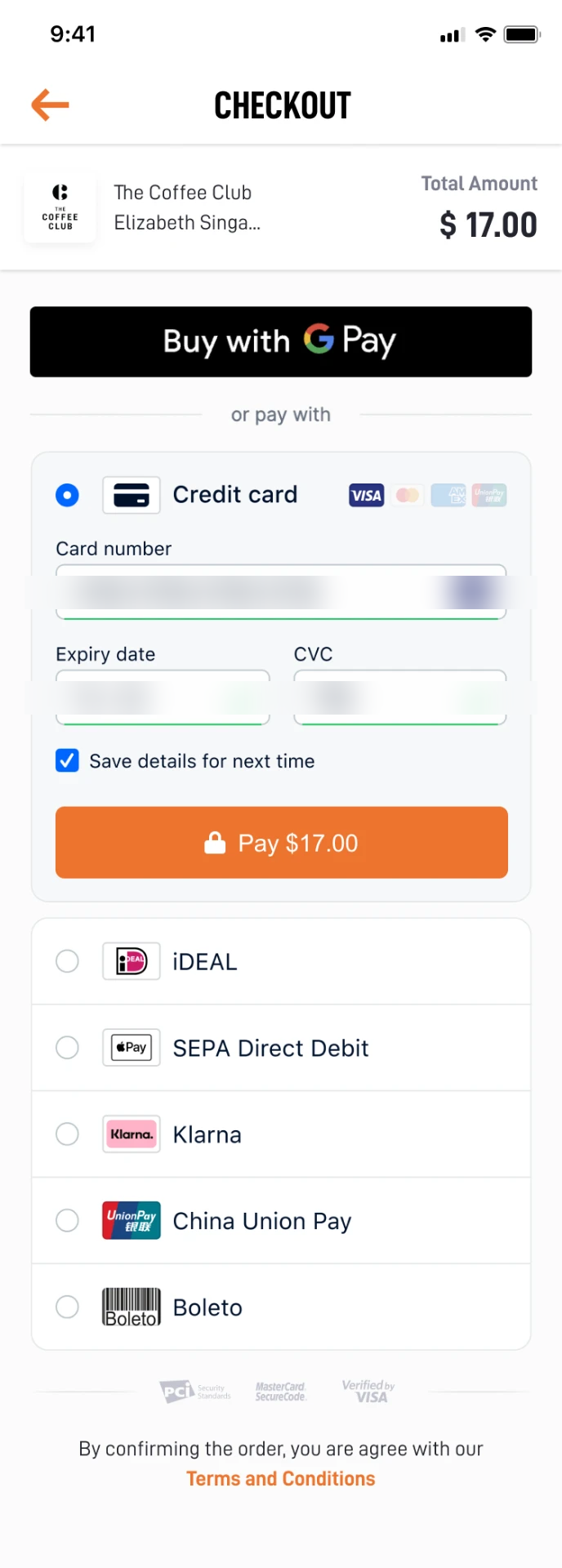
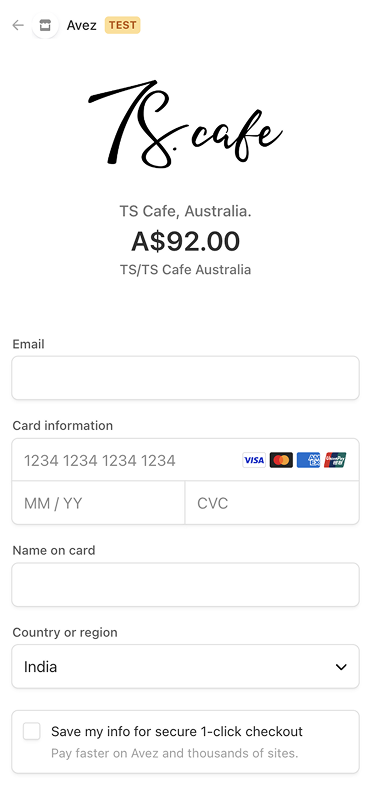
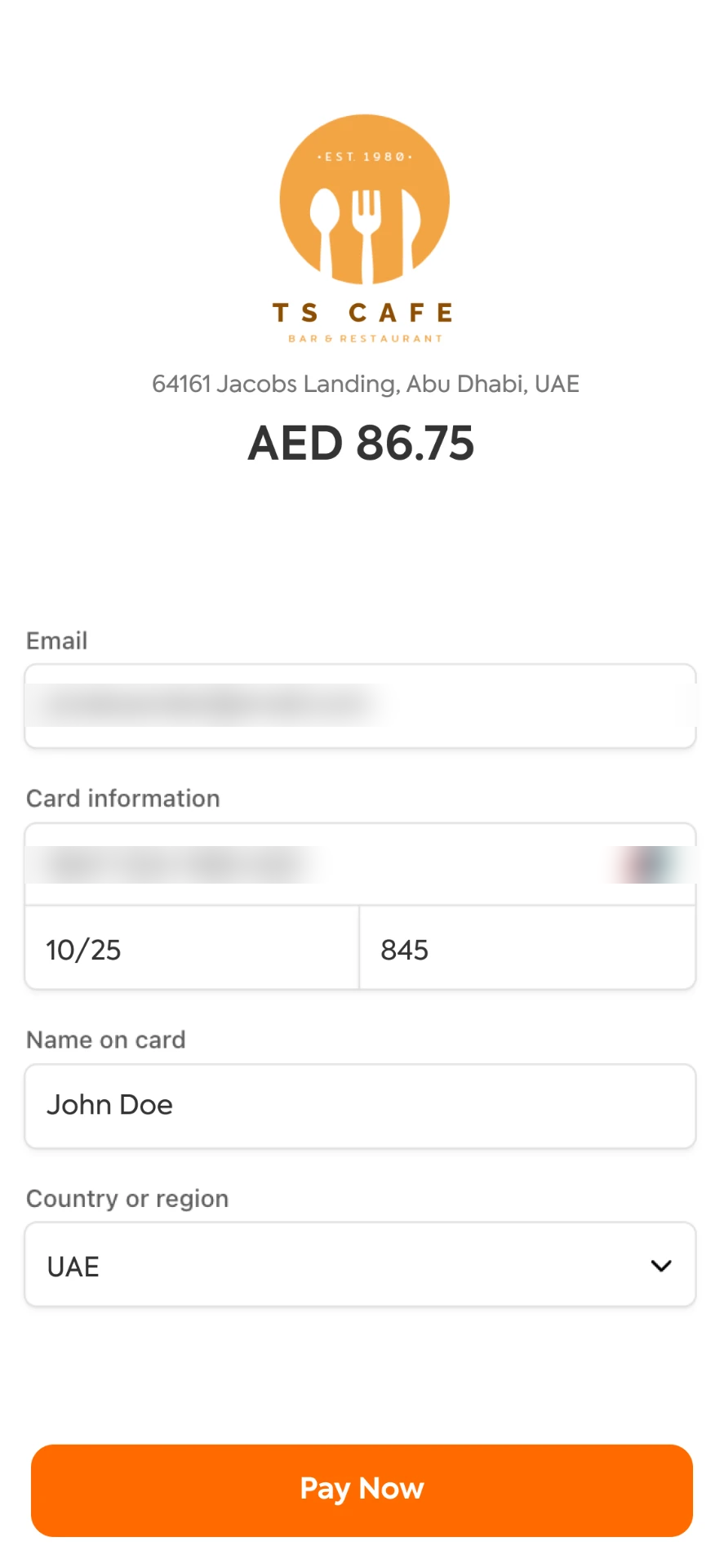
Checkout screen offering Google Pay alongside card, iDEAL, SEPA, Klarna, UnionPay and Boleto1/6
Checkout with wallets and local payment methods
Read the full case →

My role

Led the cross-functional build with engineering, design, risk and compliance in one delivery loop. Partnered with legal and regulatory on acquiring setup for the launch corridor, and aligned finance operations and merchant support around reconciliation from day one.

Team & reporting

Led a 25+ cross-functional org (6 PMs, 2 Designers, 2 Analysts, engineering squads). Reported to VP of Product.

Key decisions

  • Launched in one narrow corridor first to prove unit economics and reliability before scaling.
  • Treated reconciliation as a first-class service, not a back-office report.
  • Event-driven payments core with idempotent transaction flows, so retries never double-charge.
  • Self-serve merchant onboarding tooling instead of manual onboarding at scale.

Company outcome

$50M GMV processed within six months. Improved take-rate control. Partner onboarding reduced from weeks to days.

Lesson

In regulated platforms, trust compounds faster than features. Reliability and reconciliation accuracy are the product.
Developer Platforms · API Ecosystems

Unifying a Developer Platform Across 10+ Markets

Delivery Hero · foodpanda · 2020–2024

Problem

After a series of acquisitions, 10+ markets ran inconsistent APIs and duplicated internal services. Every partner integration was bespoke.

What I owned

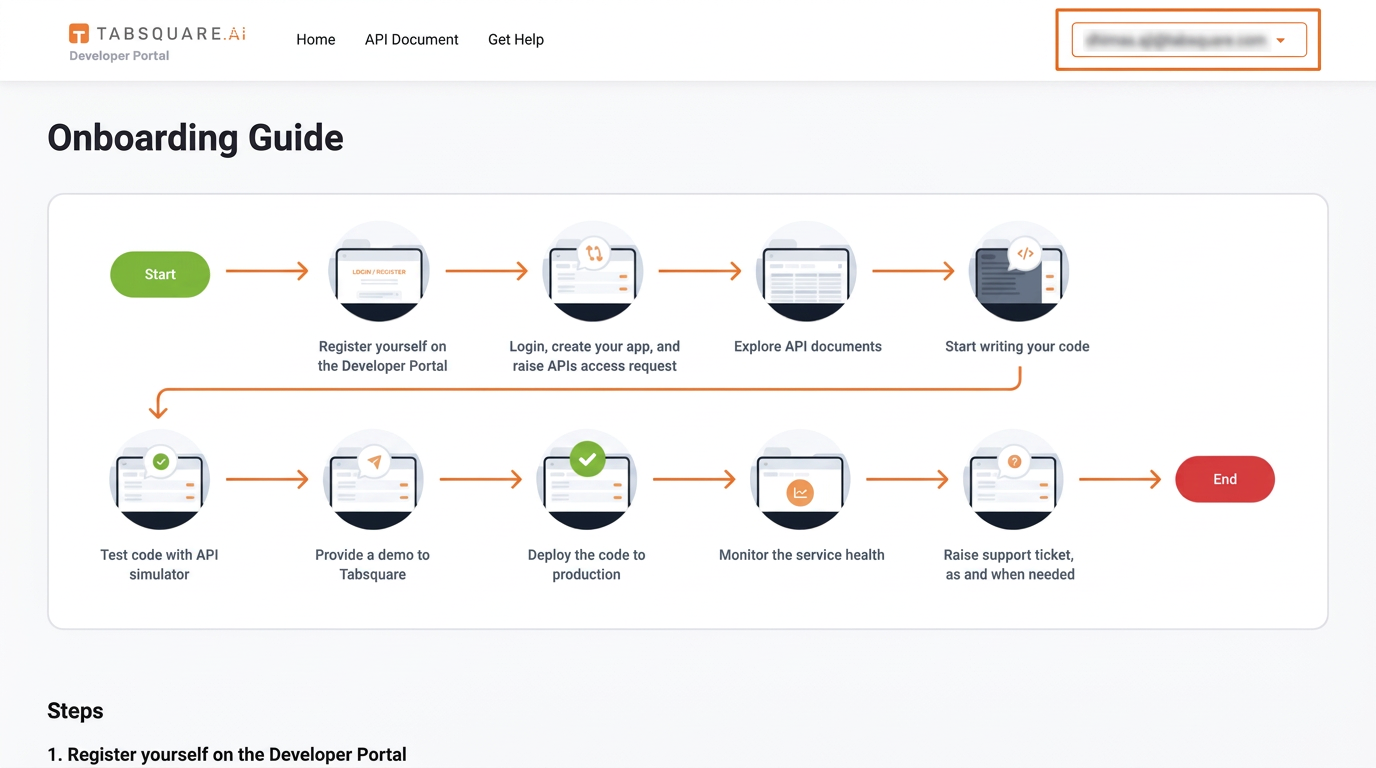
API platform strategy: OpenAPI contracts, unified event streams and versioning rules, with the same APIs powering partner integrations and client apps — kiosks, eMenu and real-time merchant POS tablet order management.

Business impact (company)

$1B+ GMV ecosystem unified

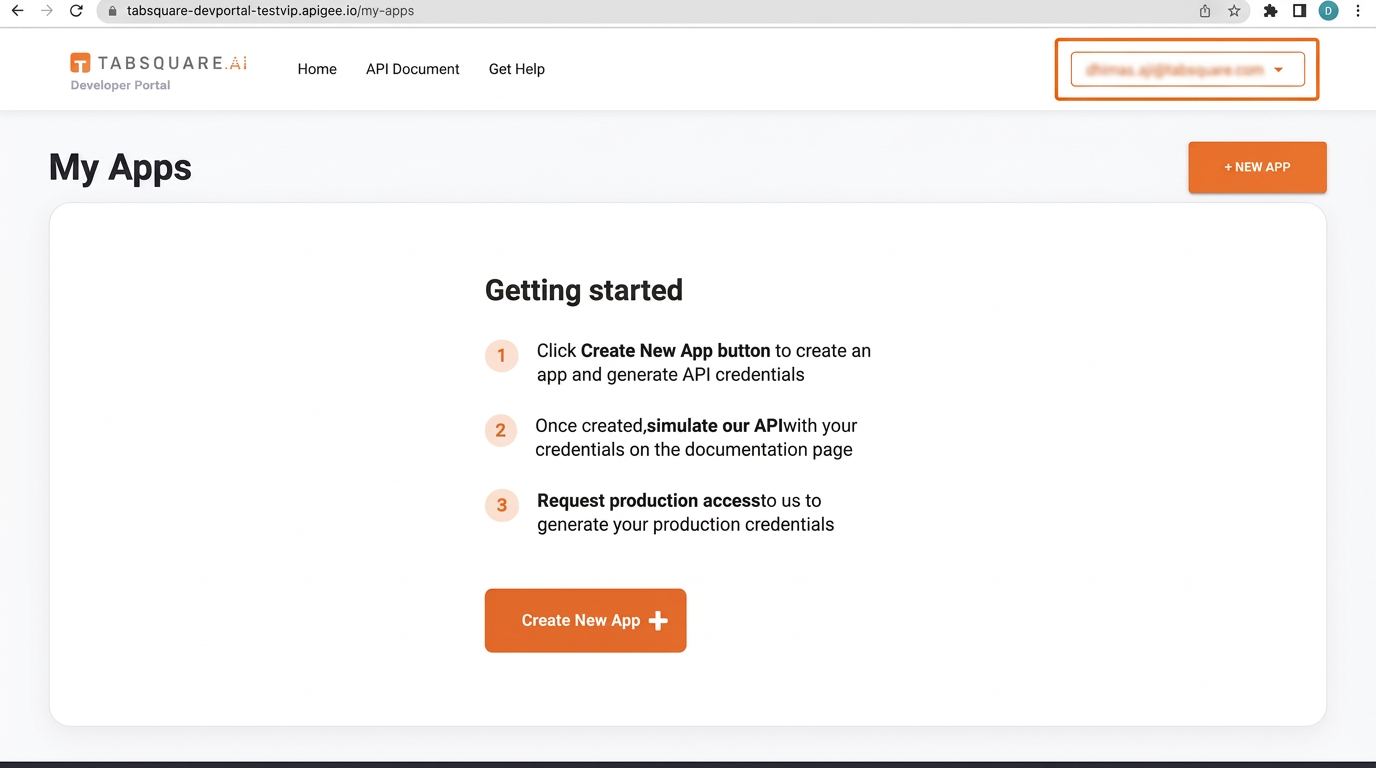
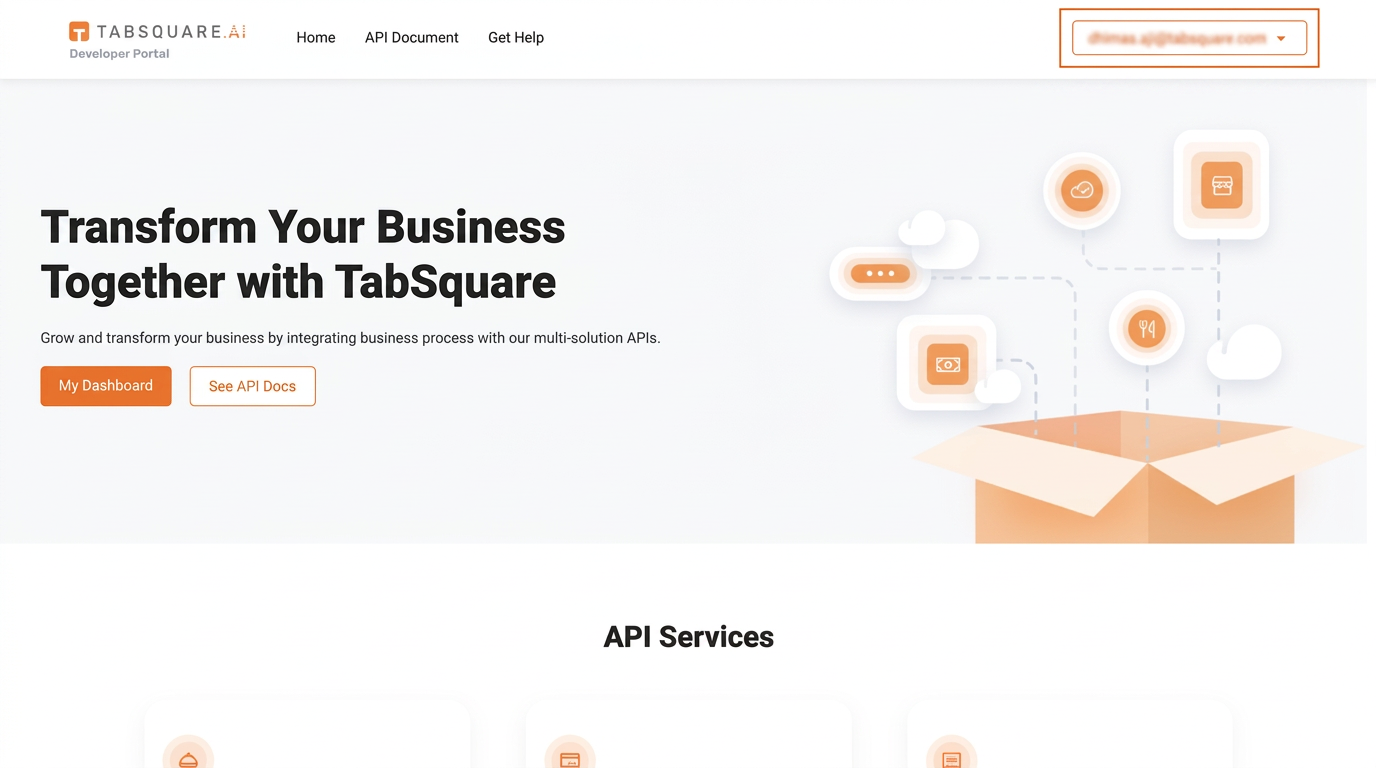
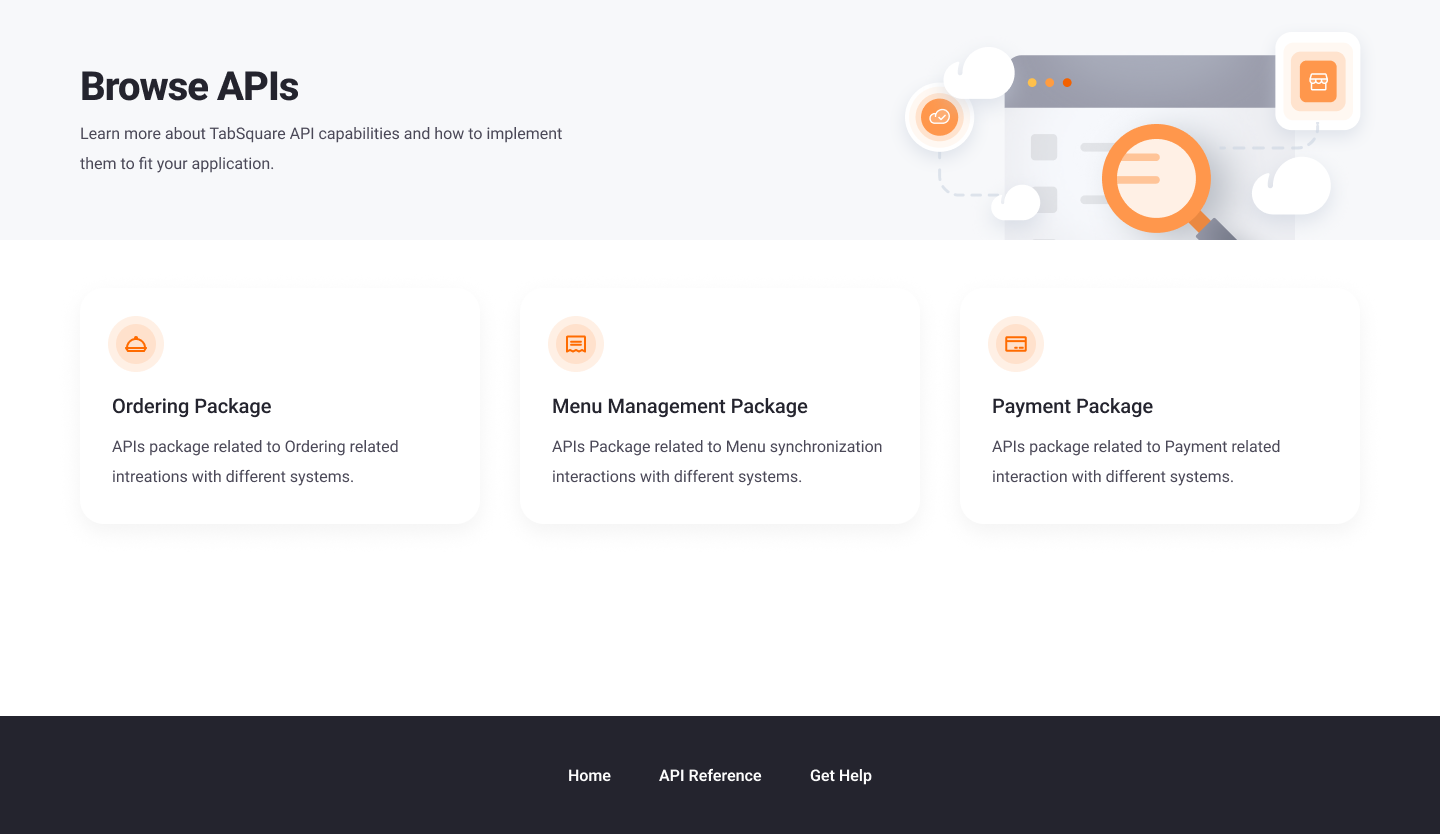
TabSquare developer portal home showing API services1/4
API discovery and service catalogue
Read the full case →

My role

Led platform decisions alongside engineering leadership across markets. Ran API governance and backwards-compatibility as shared standards with internal market teams and external partners, treating both as customers with published adoption metrics.

Team & reporting

Managed 10+ direct reports and coordinated across 10+ markets. Reported to VP of Product.

Key decisions

  • OpenAPI-first contracts with versioned public interfaces.
  • Backwards compatibility as a rule, not a courtesy.
  • Internal teams and external partners treated as customers, measured on adoption, time-to-first-call and integration effort.
  • SDKs and shared event streams (Kafka, Pub/Sub) instead of per-partner integrations.

Company outcome

Unified a $1B+ GMV ecosystem. 20% conversion uplift. Digital payment adoption up 60% across APAC.

Lesson

Developer experience is a distribution strategy. Every hour removed from integration compounds across the ecosystem.

AI in Production · Personalisation

Taking AI Recommendations from Experiment to Production

TabSquare.AI

Problem

AI existed as isolated experiments with no path to production, no evaluation discipline and no measurable commercial value.

What I owned

Recommendation models productised behind real-time digital ordering interfaces; cost vs latency budgets for model serving; evaluation gates before rollout. Active practice: LLM orchestration, RAG and agentic workflows — prototypes, not production claims.

Business impact (company)

+8% average order value

Read the full case →

My role

Partnered with data science and engineering to move models from experiment to production: set evaluation gates with engineering and commercial stakeholders before rollout, and aligned merchant-facing teams on the launch path.

Team & reporting

Led 5+ engineers and a 20+ cross-functional team (QA, Support, Design). Reported to Head of Product.

Key decisions

  • Lifecycle first: validate the use case, check data readiness, then productise only the models that passed evaluation on real customer journeys.
  • Model serving trade-offs made explicitly: capability vs cost vs latency.
  • Guardrails and acceptance criteria set before rollout, not after.

Company outcome

Predictive personalisation lifted average order value by 8%. The product contributed to 10× merchant growth and 4× revenue expansion, and supported a $10M Series B.

Lesson

AI value comes from data quality, evaluation discipline and integration depth, not from model choice alone.