Payments · APIs · Developer Experience · Applied AI

Platform Product Leader — Agentic AI, Payments, DX & APIs

I launched a PayFac to $50M monthly GMV in six months, unified a $1B+ GMV platform, and shipped a RAG assistant that doubled leads closed. The lesson each time: AI and payments only matter once they're trusted in production.

Dubai & London · Open to relocation or remote across UK, EU & North America

GMV platform scaled at Delivery Hero
$1B+
PayFac launched to $50M GMV in 6 months
$50M
Leads closed with a RAG assistant for sales teams
2x
payment methods across 10+ markets
25+
Led a team of 10 PMs, designers & analysts
10

Fig. 01 — Platform Blueprint

Four composable layers

How the systems I lead stack together, from money movement at the bottom of the business to the intelligence on top of it.

L1 · Role

Full-lifecycle money movement, smart orchestration and ledger integrity.

Checkout→Dynamic Route→Acquirer / Local Rail→Double-Entry Ledger→3-Way Reconciliation

Scope

  • 20+ live integrations: Adyen, Stripe, Checkout.com, Razorpay, Airwallex, PayPal
  • Direct acquiring across AU (Tyro), NZ (Windcave), MY/ID (Maybank), TH (BCS) and UAE (Aani)
  • Schemes & APMs: Visa, Mastercard, Amex, JCB, UnionPay, GrabPay, Alipay, WeChat Pay, NETS QR, Klarna, Atome
  • 3-way reconciliation: PSP ↔ bank statement ↔ internal ledger

Impact

+2 pp authorisation lift-8% processing cost per tx85% drop in unreconciled items70% faster settlement close

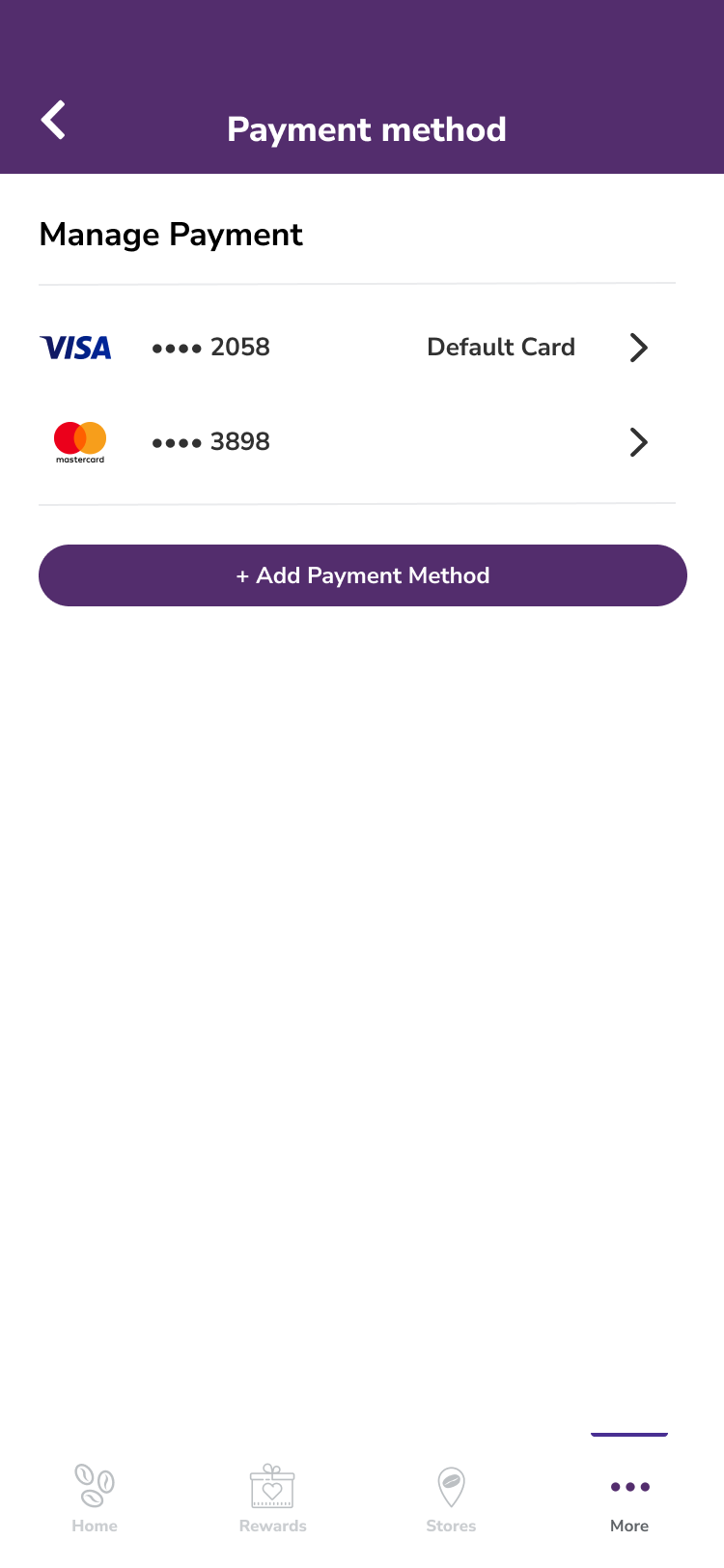
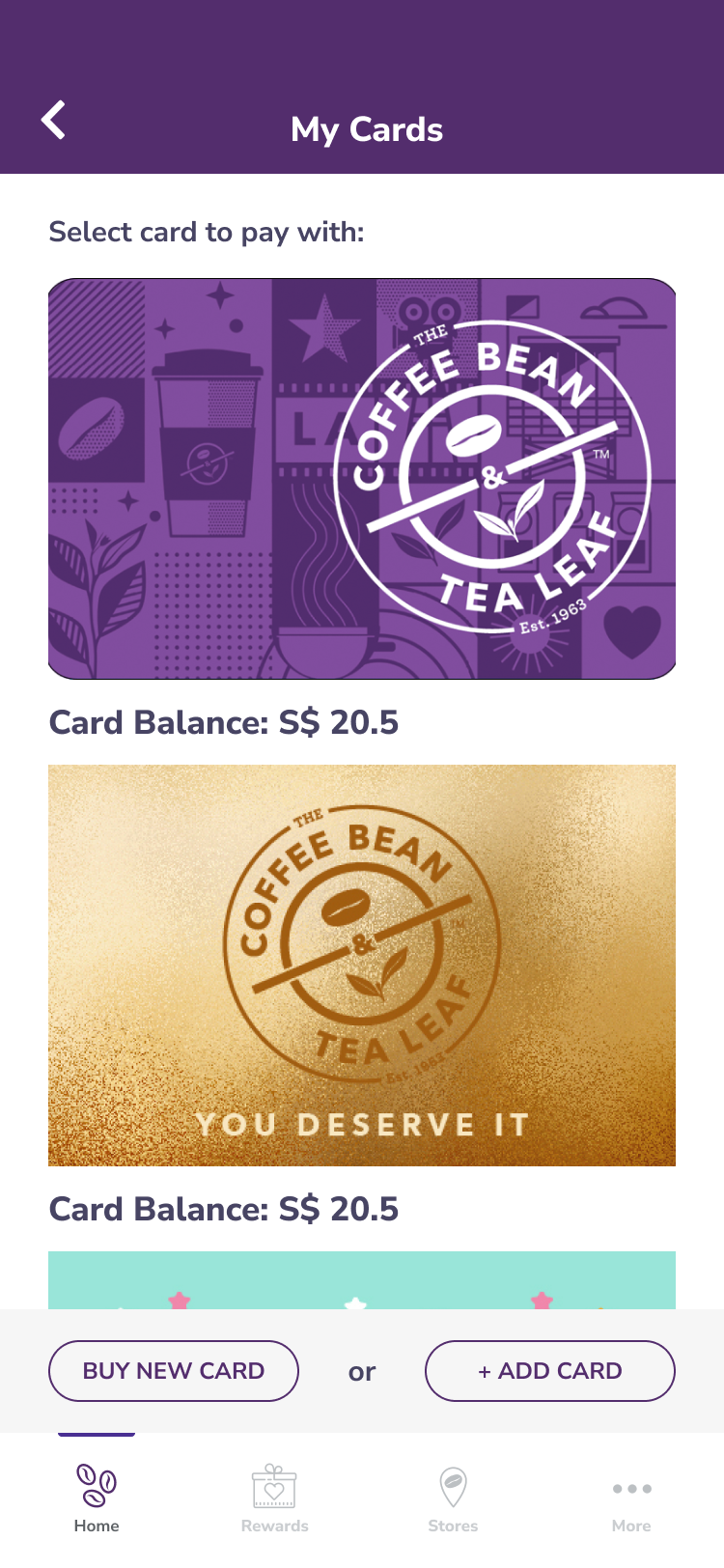
The native client edgeAll platform services, payment sheets and event streams feed into production iOS and Android apps with offline queueing, native Apple / Google Pay and biometric authentication.

Selected Work

Three flagship cases. What I owned. What changed.

Each case separates the company outcome from my part in it.

Surface areas shipped

  • PayFac Core ($50M GMV)
  • SoftPOS Tap to Pay
  • Merchant Order OS
  • Kiosks / eMenu
  • CBTL Consumer
  • 42Race
  • Regulated Pharma Logistics

Payments · 0 → 1

Launching a PayFac Platform from 0 → $50M GMV

Delivery Hero · Regional Payments · 2022–2024

Problem

No in-house acquiring capability, fragmented provider relationships, and margin leakage across a high-volume marketplace.

What I owned

PayFac product strategy, corridor sequencing, idempotent ledger flows, reconciliation-as-a-service, self-serve merchant onboarding — through to the in-person checkout edge, including SoftPOS / Tap to Pay on COTS devices.

Business impact (company)

$50M GMV in six months
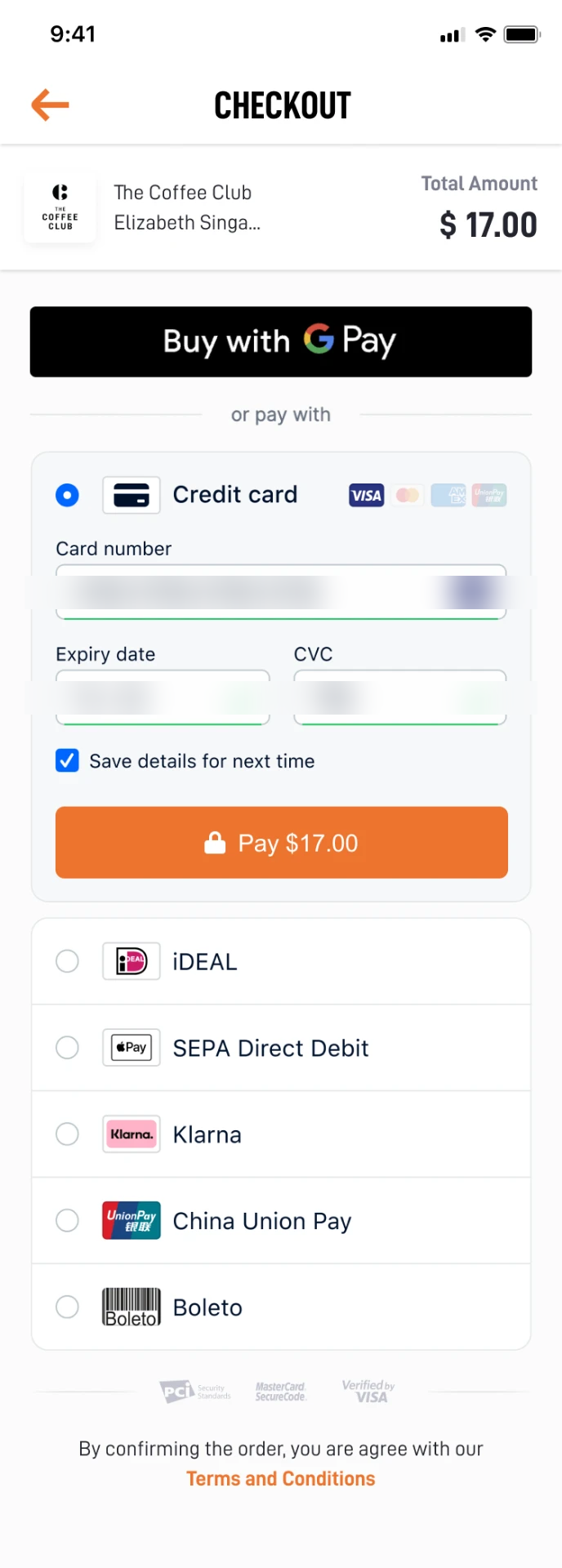
Checkout screen offering Google Pay alongside card, iDEAL, SEPA, Klarna, UnionPay and Boleto1/6
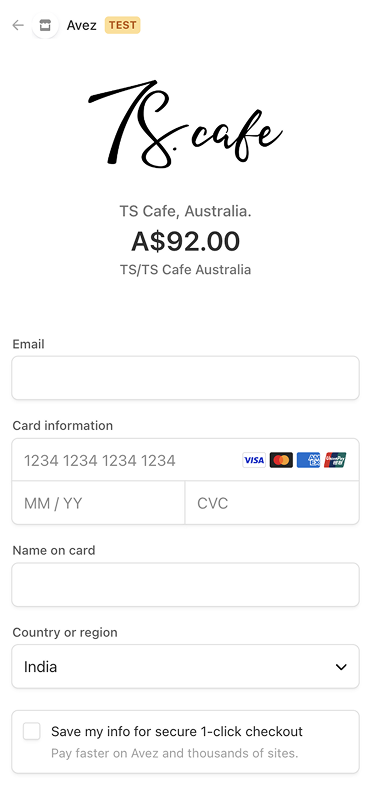
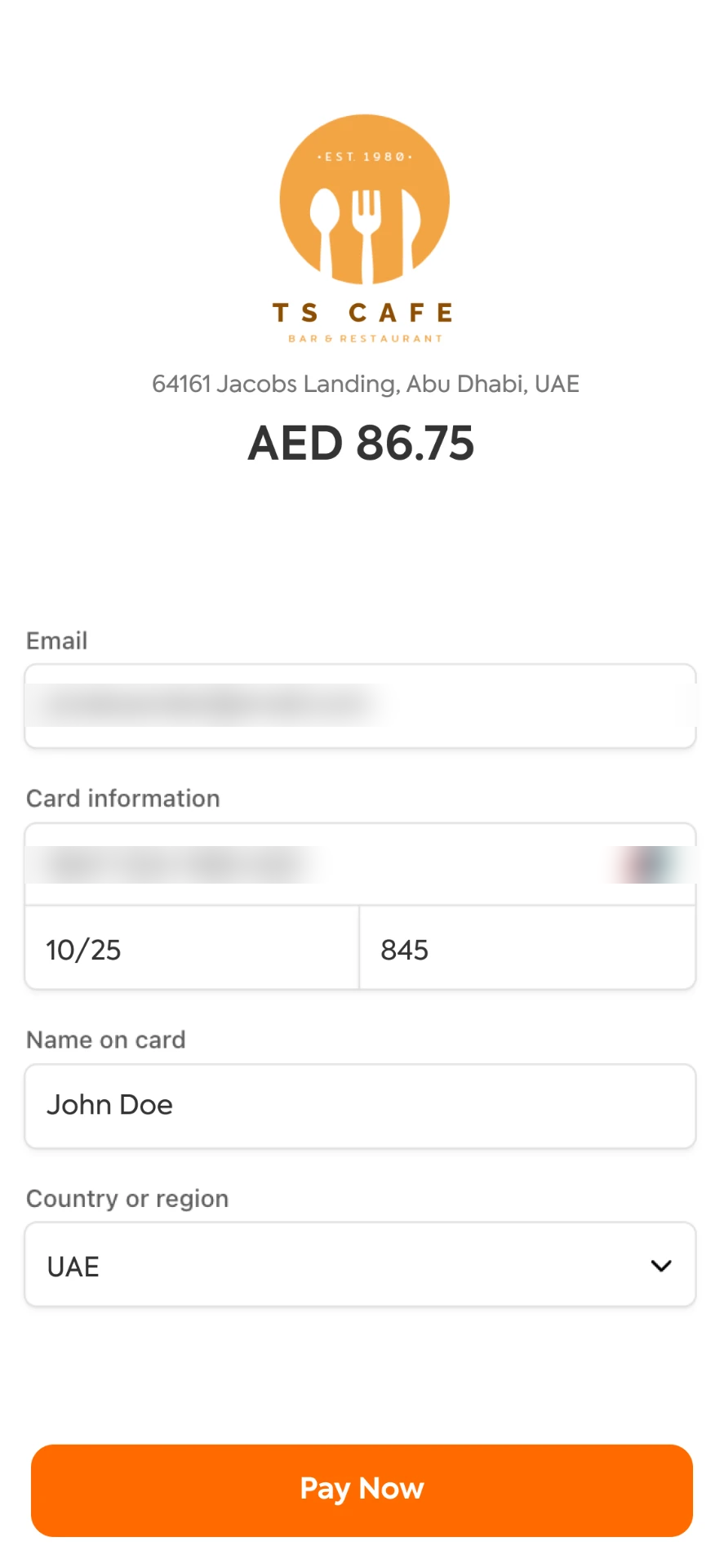
Checkout with wallets and local payment methods
Read the full case →

My role

Led the cross-functional build with engineering, design, risk and compliance in one delivery loop. Partnered with legal and regulatory on acquiring setup for the launch corridor, and aligned finance operations and merchant support around reconciliation from day one.

Team & reporting

Led a 25+ cross-functional org (6 PMs, 2 Designers, 2 Analysts, engineering squads). Reported to VP of Product.

Key decisions

  • Launched in one narrow corridor first to prove unit economics and reliability before scaling.
  • Treated reconciliation as a first-class service, not a back-office report.
  • Event-driven payments core with idempotent transaction flows, so retries never double-charge.
  • Self-serve merchant onboarding tooling instead of manual onboarding at scale.

Company outcome

$50M GMV processed within six months. Improved take-rate control. Partner onboarding reduced from weeks to days.

Lesson

In regulated platforms, trust compounds faster than features. Reliability and reconciliation accuracy are the product.
Developer Platforms · API Ecosystems

Unifying a Developer Platform Across 10+ Markets

Delivery Hero · foodpanda · 2020–2024

Problem

After a series of acquisitions, 10+ markets ran inconsistent APIs and duplicated internal services. Every partner integration was bespoke.

What I owned

API platform strategy: OpenAPI contracts, unified event streams and versioning rules, with the same APIs powering partner integrations and client apps — kiosks, eMenu and real-time merchant POS tablet order management.

Business impact (company)

$1B+ GMV ecosystem unified

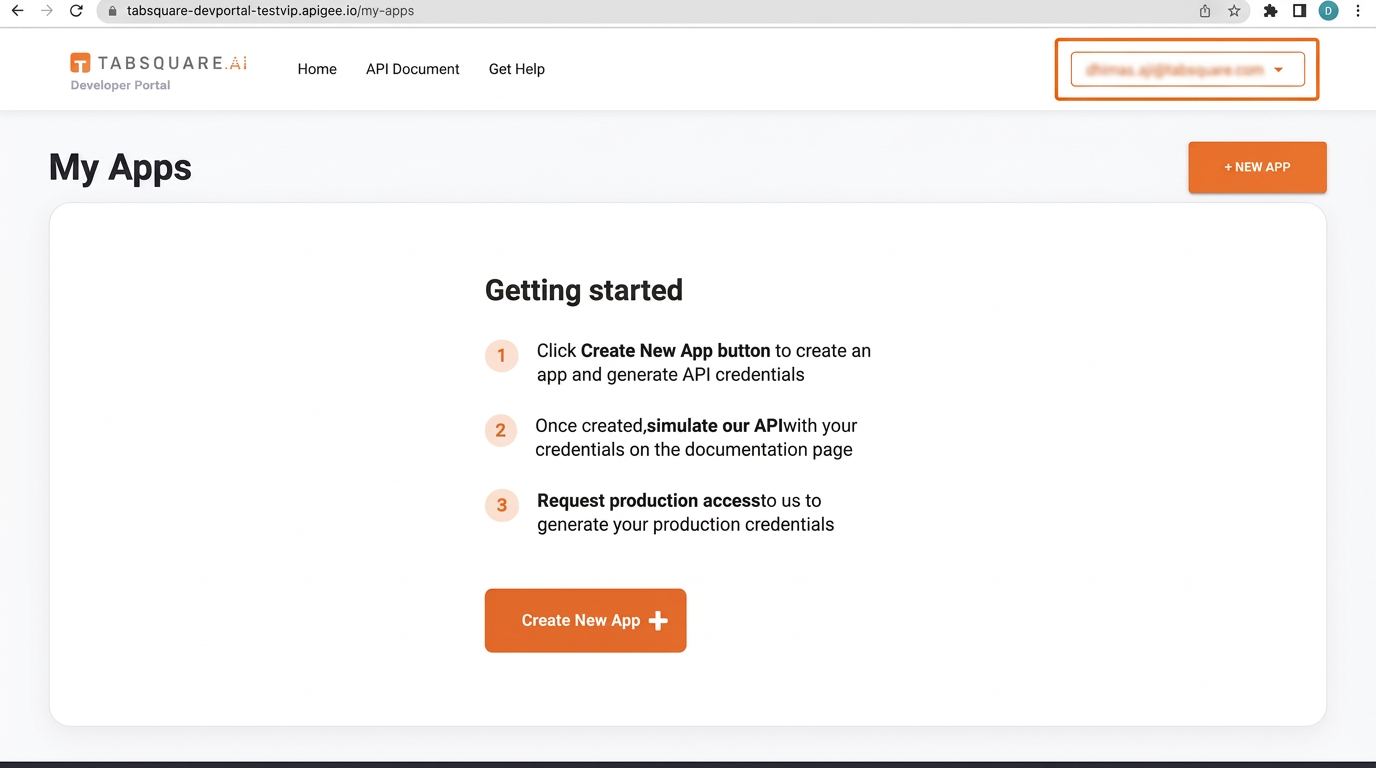
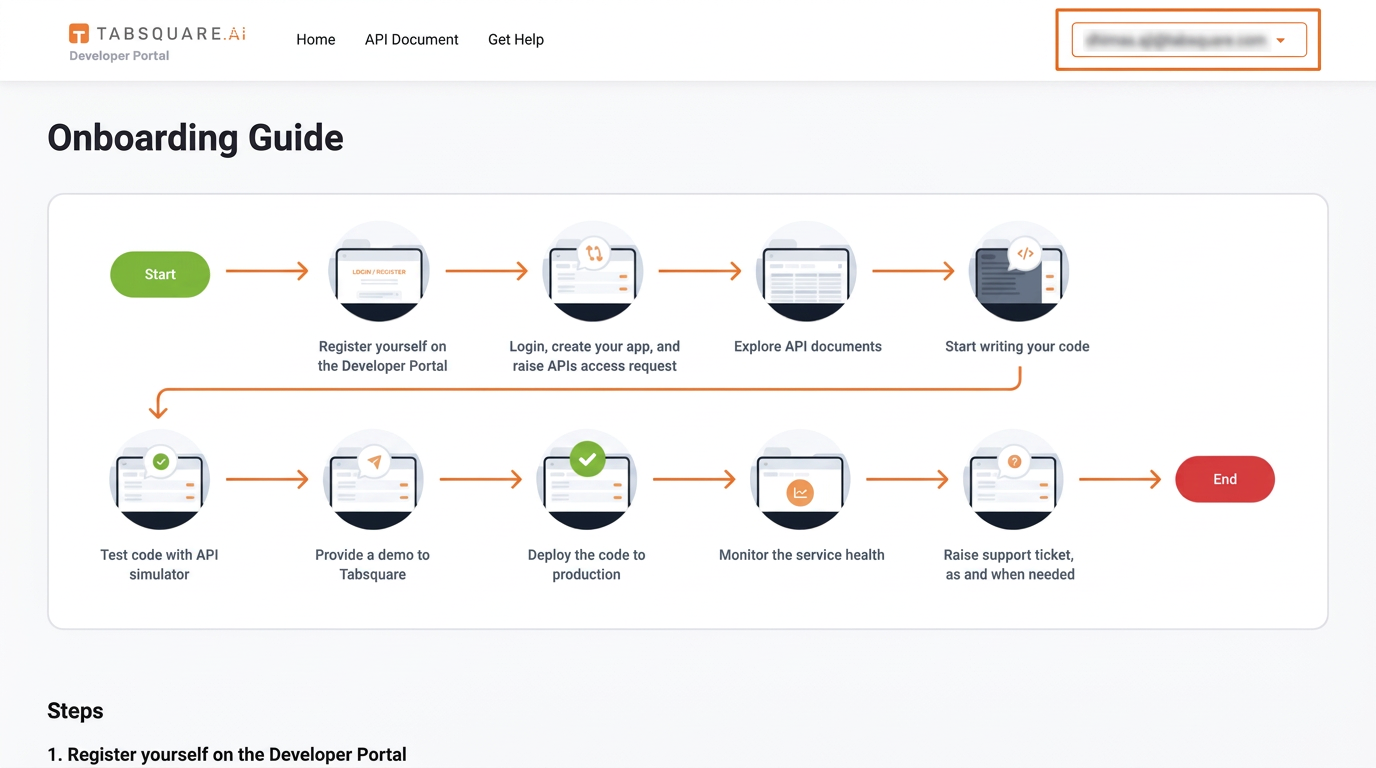
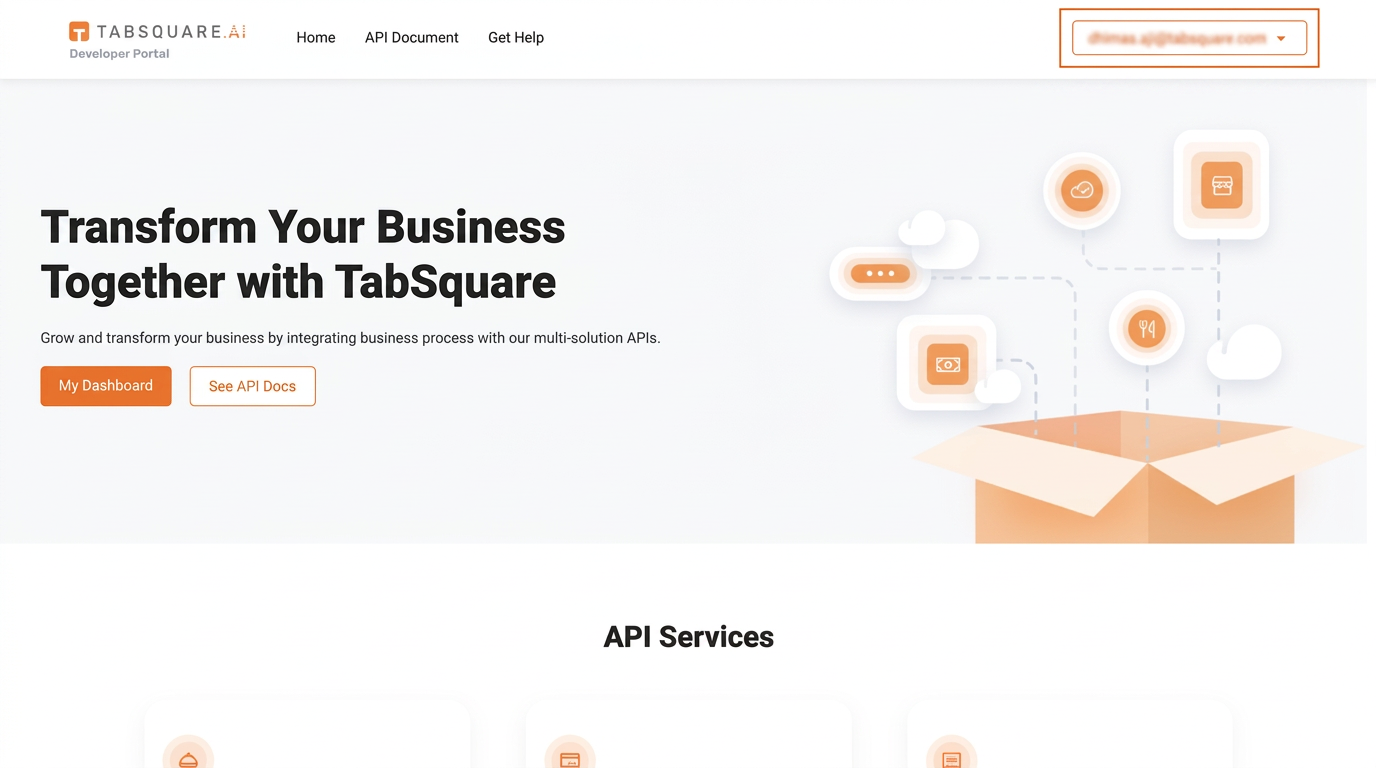
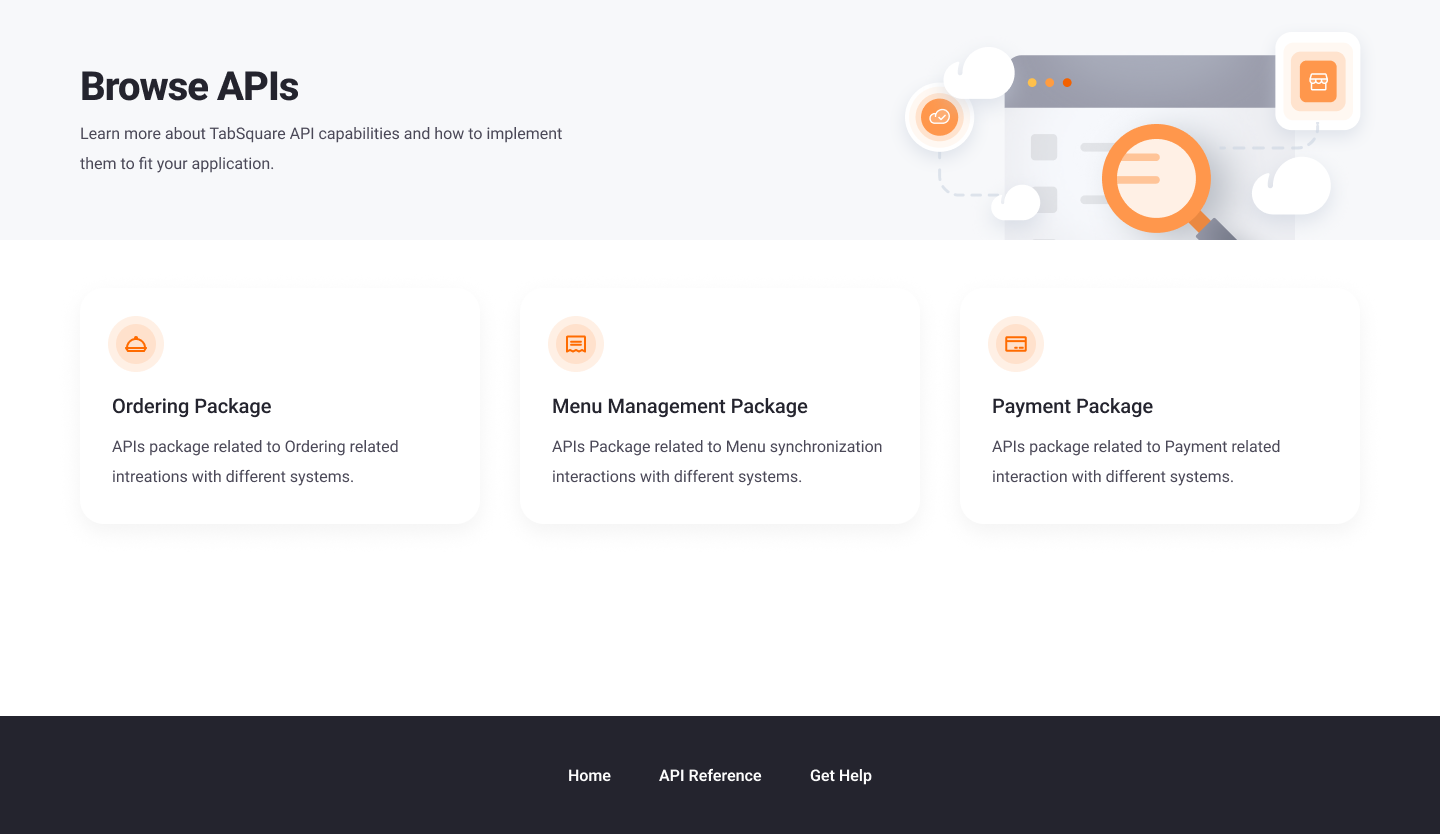
TabSquare developer portal home showing API services1/4
API discovery and service catalogue
Read the full case →

My role

Led platform decisions alongside engineering leadership across markets. Ran API governance and backwards-compatibility as shared standards with internal market teams and external partners, treating both as customers with published adoption metrics.

Team & reporting

Managed 10+ direct reports and coordinated across 10+ markets. Reported to VP of Product.

Key decisions

  • OpenAPI-first contracts with versioned public interfaces.
  • Backwards compatibility as a rule, not a courtesy.
  • Internal teams and external partners treated as customers, measured on adoption, time-to-first-call and integration effort.
  • SDKs and shared event streams (Kafka, Pub/Sub) instead of per-partner integrations.

Company outcome

Unified a $1B+ GMV ecosystem. 20% conversion uplift. Digital payment adoption up 60% across APAC.

Lesson

Developer experience is a distribution strategy. Every hour removed from integration compounds across the ecosystem.

AI in Production · Personalisation

Taking AI Recommendations from Experiment to Production

TabSquare.AI

Problem

AI existed as isolated experiments with no path to production, no evaluation discipline and no measurable commercial value.

What I owned

Recommendation models productised behind real-time digital ordering interfaces; cost vs latency budgets for model serving; evaluation gates before rollout. Active practice: LLM orchestration, RAG and agentic workflows — prototypes, not production claims.

Business impact (company)

+8% average order value

Read the full case →

My role

Partnered with data science and engineering to move models from experiment to production: set evaluation gates with engineering and commercial stakeholders before rollout, and aligned merchant-facing teams on the launch path.

Team & reporting

Led 5+ engineers and a 20+ cross-functional team (QA, Support, Design). Reported to Head of Product.

Key decisions

  • Lifecycle first: validate the use case, check data readiness, then productise only the models that passed evaluation on real customer journeys.
  • Model serving trade-offs made explicitly: capability vs cost vs latency.
  • Guardrails and acceptance criteria set before rollout, not after.

Company outcome

Predictive personalisation lifted average order value by 8%. The product contributed to 10× merchant growth and 4× revenue expansion, and supported a $10M Series B.

Lesson

AI value comes from data quality, evaluation discipline and integration depth, not from model choice alone.

Field Notes · Architecture Log

Architecture Decisions & Platform Thinking

Not a resume of technologies. These are the decisions that shaped the platforms I have led, and what each one actually changed.

Entry #001

Moving from monolith to microservices

Problem

A single deployable was blocking regional teams, coupling release trains and hiding ownership.

Decision

Split along domain boundaries with clear service ownership and a staged migration.

Trade-off

Accepted increased operational overhead and network complexity in exchange for independent team deployment velocity and clear domain boundaries.

What changed

Improved scalability, ownership, and platform evolution.

Related: Case 02 →
Entry #002

Designing event-driven payment flows

Problem

Synchronous chains meant one slow dependency degraded the whole order and payment flow.

Decision

Async messaging with idempotency and failure isolation.

Trade-off

Accepted eventual consistency and ledger reconciliation latency in exchange for strict service isolation and resilient payment checkout flows.

What changed

Created resilient workflows and reliable platform communication.

Related: Case 01 →
Entry #003

Building developer platforms

Problem

Every partner integration was bespoke, so onboarding time scaled linearly with the roadmap.

Decision

Versioned public APIs and SDKs with a governance model.

Trade-off

Enforced strict backward-compatibility rules and breaking-change governance, trading rapid feature rollout speed for enterprise partner integration stability.

What changed

Partner integration moved from bespoke projects to self-serve. 60% onboarding automation, 4x merchant growth.

Related: Case 02 →
Entry #004

Moving AI from prototype to production

Problem

Demos were convincing, but nothing had evaluation, cost controls or a governance path to release.

Decision

No model ships without an evaluation gate, a cost and latency budget, and monitoring.

Trade-off

Capped model parameter scale and context depth to preserve sub-second latency budgets and unit economics over raw theoretical accuracy.

What changed

Balanced capability, cost, reliability, and governance.

Related: Case 03 →
Entry #005

Architecting for the unreliable edge (POS, Tap to Pay & field logistics)

Problem

Store kitchens, field logistics and couriers face intermittent network drops, risking duplicate payment charges, lost orders or broken compliance audit trails.

Decision

Offline-first local SQLite sync, optimistic UI state updates, and idempotent queued requests for Tap to Pay and status transitions.

What changed

Zero duplicate transaction faults, resilient order intake during peak Wi-Fi drops, and real-time auditable compliance.

Related: Case 01 →

Applied AI in production

Shipped in production

  • Autonomous digital worker for customer refunds & ledger execution
  • Predictive fraud scoring & automated dispute evidence generation (-30% fraud losses)
  • Real-time recommendation & personalisation engines (+8% AOV)(Case 03)
  • GCP streaming data pipelines feeding live ML models
  • Model Context Protocol (MCP) for secure agent-to-tool orchestration
  • Deterministic evaluation harnesses for LLM applications
  • Enterprise RAG & dynamic context window engineering
  • RAG assistant for sales teams (2x leads closed)
  • Agentic workflows

I use AI to compress discovery, prototyping and product-engineering feedback loops, while keeping architecture, security, evaluation and product judgement human-led.

Tools I use day to day: Claude, Cursor, Gemini, Lovable, n8n.

Hands-on product leader

I lead platform, payments and AI product teams, and I still build. Open to Head of Product and Principal PM roles.

Global Journey

Four cities. One systems mindset.

years
12+

years

countries
4

countries

GMV ecosystem
$1B+

GMV ecosystem

PayFac GMV
$50M

PayFac GMV

  1. 0106.93°N · 79.85°E

    Colombo

    Engineering foundation

    Journey start · 2012–2017

    Software engineer. Learned how systems, APIs and products actually get built. Developed 5+ mobile apps across B2B and B2C.

  2. 0201.35°N · 103.82°E

    Singapore

    Platform scale

    2017–2021

    Scaled products and platforms across APAC. Managed 5+ engineers and a 20+ cross-functional team. Built high-volume payments and AI platforms.

  3. 0351.51°N · 00.13°W

    London

    Technical product leadership

    2021–2024

    Led product strategy across AI, fintech and cloud-native platforms. Managed 10+ direct reports and a 25+ cross-functional org.

  4. 0425.20°N · 55.27°E

    Dubai

    Now

    2026

I started by building systems. I learned to scale platforms. I moved into technical product leadership. Now I apply that systems mindset to AI, fintech, payments and global products.

What colleagues say

From people who worked with me on payments, product and platform work.

Payments migration
I have worked with Janahan quite extensively and on one notable project, he was instrumental in ensuring that the transition from one payments provider to another, was timely and smooth. That was an extremely complex task involving a new product, multiple stakeholders, and sensitive and aggressive deadlines. In the first 2 months of the launch itself, the product reached ~$10M in volumes!

Kanika Mittal

VP Fintech & Partner, Travel Payments

Product intuition
What stood out consistently was his sharp product intuition and his ability to craft solutions that were not just functional, but genuinely aligned to market needs. He has a rare ability to listen deeply, to customers, and to the market and translate that into extraordinary product outcomes. He was a true partner in every sense, collaborative, grounded in data, and always thinking a few steps ahead.

Sameer Kaushik

VP Sales, TabSquare AI

Engineering + product
What makes Janahan stand out is his unique combination of technical depth and product vision. With his engineering background, he not only understands what it takes to build stable and scalable products but also brings great ideas that are practical, intuitive, and user-friendly.

Kar How Wong

Regional VP Operations

More recommendations on LinkedIn →

Where I've worked

Worked at

Prodaptix
Delivery Hero
TabSquare.AI
Aigens
42Race
X-ONT Software
Visni
David Pieris Motor Company

Integrated With / Partnered With

Visa
Mastercard
Stripe
Adyen
Checkout.com
NETS
Gojek
Grab
Deliveroo

Let's talk

Hiring a Lead or Head of Product for platforms, payments or applied AI? Pick a time or reach out directly. Available in London and Dubai, or global remote.

Save my contact

Open your phone camera, point it at the code, then tap the notification to add me to your contacts.

Can't scan? Download vCard

Based in Dubai & London. Open to relocation or remote across the UK, EU & North America.

CV available on request.

Location

Dubai, UAE · London, UK

WhatsApp

LondonChat →