From Chaos to Control: Building SmartConnect – The Omnichannel Lifeline During COVID
In March 2020, the Southeast Asian restaurant industry hit a brick wall. As pandemic lockdowns went into effect overnight, physical foot traffic evaporated, and our core in-store products eMenu and SmartKiosk faced an immediate operational standstill.
To survive, restaurants scrambled to pivot 100% of their business to digital delivery. But what followed was absolute operational chaos.
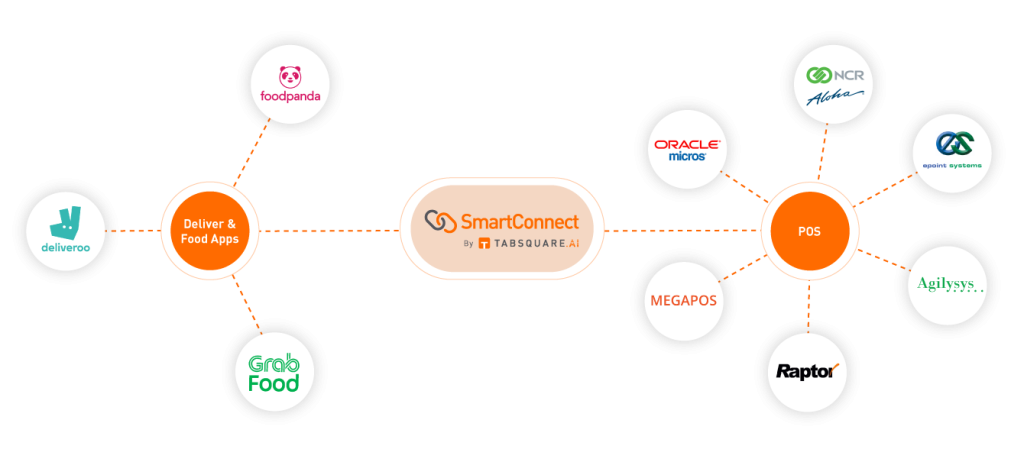
Orders began flooding in simultaneously from third-party aggregators like GrabFood, Foodpanda, and Deliveroo, alongside standalone websites. Because there was no unified system, restaurant counters were buried under half a dozen flashing, chiming tablets. Kitchen staff were forced to manually re-key transaction tickets from one screen to another. Menus drifted completely out of sync across applications, real-time stockouts led to unfulfilled orders, and nightly financial reconciliation became a nightmare.
As I stepped into my transition from hands-on engineering leadership to Technical Product Manager, this crisis became my mission: turn fragmentation into enterprise-grade control.
Fresh off the heels of scaling our kiosk ecosystem, SmartConnect became my second consecutive 0-to-1 product lifecycle built entirely from scratch. We had to build an architectural bridge between fragmented delivery networks and legacy point-of-sale systems, and we had to do it in the middle of a global emergency.
Discovery and Rapid Response: Scoping the MVP
Starting in mid-January 2020, I led an intensive discovery phase across our key operating markets in Singapore, Malaysia, and Indonesia. By analyzing high-volume support ticket data, syncing cross-functional teams, and conducting rapid merchant interviews, the systemic gap became clear: merchants needed a single data abstraction layer to unify all incoming digital demand.
We scoped SmartConnect with extreme discipline, prioritizing speed without compromising core transaction stability. By defining clear boundaries for the Minimum Viable Product (MVP), we successfully engineered and deployed the first live iterations by mid-March 2020—just two months from initial discovery to production.
Shipping with a Brand-New Engineering Squad
The pressure to execute was immense. Our existing senior engineering resources were already fully committed to building SmartWeb (our standalone online ordering and digital payment platform, led by a parallel Senior PM). To deliver SmartConnect, I had to onboard, direct, and execute with an entirely new engineering squad consisting of three backend engineers and one full-stack engineer—all of whom were brand-new hires to the company.
Leveraging my prior hands-on technical architecture experience with our kiosk systems, I managed the team's velocity by setting rigid API contracts and clearing engineering blockers in real time.
During this high-velocity phase, I also contributed directly to the parallel SmartWeb product line by designing and delivering the Printer Console. This Android tablet application featured integrated peripheral printer support, real-time event notifications, and order queue synchronization. It served as a critical operational bridge, unifying physical back-of-house kitchen operations with real-time digital customer demand.
Core Architecture That Delivered Immediate Value
SmartConnect launched by addressing the foundational operational bottlenecks first, engineering a payload abstraction layer that normalized fragmented third-party aggregator API schemas into a single internal data standard:
-
Unified Aggregation & Menu Sync: Real-time order aggregation and menu state synchronization from major delivery platforms (covering ~95% market share in our primary operating regions).
-
Intelligent POS Routing: Structuring robust event-driven webhook patterns and retry queues to guarantee clean transactional routing directly into merchant legacy Point-of-Sale (POS) systems like Raptor, ePoint, and others.
-
Edge Telemetry & Printing: Real-time stockout updates and immediate automated kitchen receipt printing to stop manual order re-entry errors.
Once the foundational pipeline was stabilized, we quickly evolved SmartConnect into a high-leverage merchant retention asset by shipping deep engagement and analytics capabilities:
-
Scheduled Transaction Queuing: Allowing consumers to schedule future orders without flooding immediate kitchen throughput.
-
Configurable Multi-Partner Promotion Syncing: Enabling managers to adjust promotional rules globally from a centralized interface rather than manually updating every distinct delivery provider profile.
-
Single-Tablet Channel Management: Consolidating multiple hardware dependencies into an elegant standalone application dashboard.
-
Revenue Loss Analytics: Leveraging real-time event telemetry to supply actionable merchant intelligence on exactly how much capital was being lost due to item stockouts or temporary store closures.
Scaling the Solution and Team Structure
Following a highly successful validation phase across our first 50 pilot outlets, we unlocked significant expansion. To support this scale, I scaled the internal product organization by hiring a dedicated Engineering Manager to run the daily engineering sprints and directly managing an incoming Product Manager to own feature iterations.
Together, we restructured our delivery frameworks and successfully scaled SmartConnect to 500+ active enterprise stores across multiple international markets.
Impact During the Pandemic and Beyond
SmartConnect quickly shifted from a rapid crisis-response mechanism into a permanent, highly sticky revenue driver for both our merchants and our company.
For our restaurant partners, it drastically minimized manual overhead, eliminated ordering errors, and protected crucial gross operating margins during an industry-wide shutdown. For TabSquare, it introduced a powerful, scalable revenue stream and solidified long-term customer lock-in at the exact moment the industry needed it most. Many of our flagship enterprise brands remained deeply retained because SmartConnect served as their operational anchor through the pandemic.
Leadership Lessons from the Trenches
Navigating the architecture and delivery of SmartConnect was a formative chapter in my trajectory as a technical product executive, yielding several key operational principles:
-
Repeatable 0-to-1 Execution Frameworks: Launching SmartConnect as my second consecutive 0-to-1 product immediately after the kiosk proved that rapid product validation isn't a fluke—it's a repeatable execution methodology driven by disciplined scope governance.
-
Technical Fluency Accelerates Velocity: My engineering background was vital in defining feasible integration paths with legacy POS systems and orchestrating components laterally across parallel multi-product lines (SmartConnect + the SmartWeb Printer Console).
-
Build for Structural Value, Not Just Quick Patches: We didn't stop at basic API integration. By introducing deep commercial value-adds like Revenue Loss Analytics, we turned a temporary survival tool into a permanent enterprise platform.
-
Ownership and Team Trust Outweigh Resource Constraints: Shipping mission-critical infrastructure with a completely unvetted, newly hired squad requires fostering extreme clarity, high documentation quality, and a shared bias for action.
Final Thoughts
SmartConnect was not born in a sterile corporate strategy session; it was forged in the trenches of a global industry crisis. It proved that great platform products are built by listening deeply to the operational pain of your users, executing with high technical velocity under tight constraints, and keeping a relentless focus on bottom-line business outcomes. Watching our merchants regain complete operational control over their infrastructure during one of the most volatile periods in modern tech history remains a definitive milestone in my journey as a product leader.